Blog Post: The Power of Predictive Analytics: Unveiling Future Trends
In the rapidly evolving world of the present day, companies and organizations are no longer satisfied with only comprehending present circumstances or historical tendencies. They are thinking ahead, trying to predict future occurrences and make well-informed choices before they happen. For this reason, an area of advanced analytics called predictive analytics has become a revolutionary tool. Organizations may make remarkably accurate predictions about future trends and outcomes by using machine learning techniques, statistical algorithms, and historical data. Now let's examine how predictive analytics is changing industries around the world and delve into its disruptive impact.
Predictive analytics: what is it?
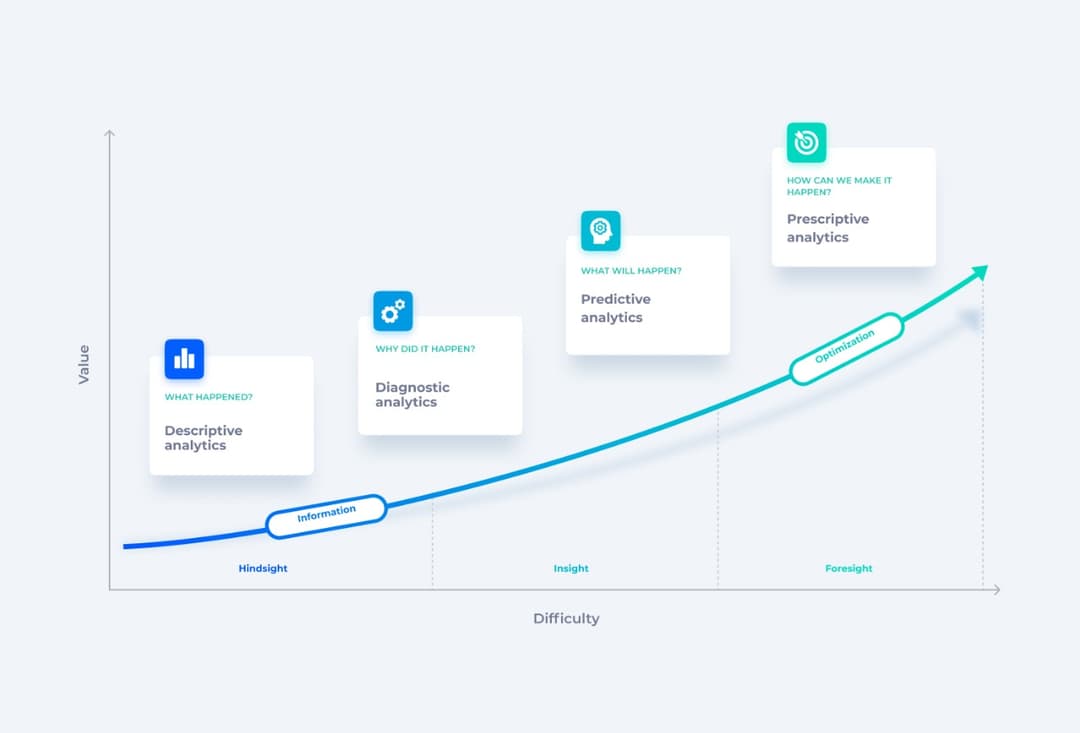
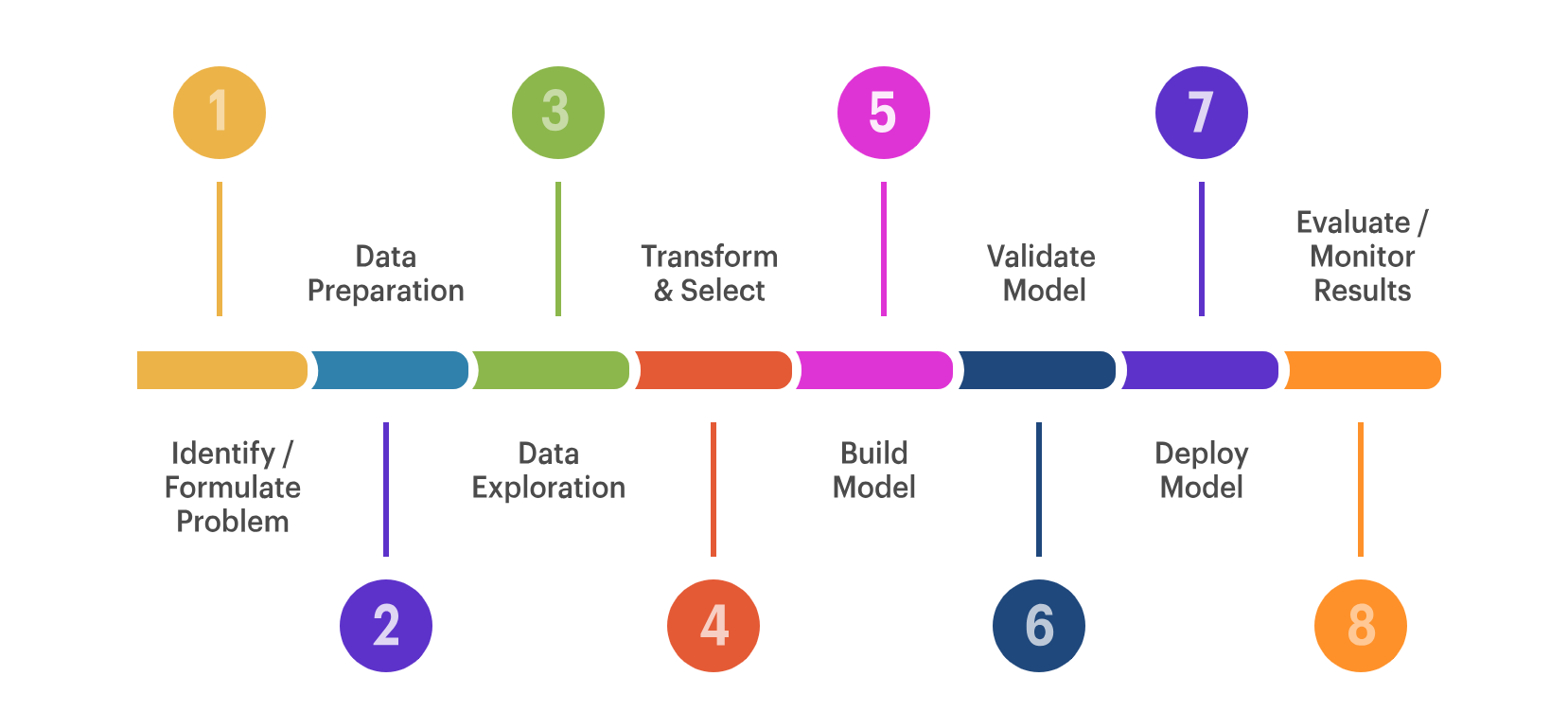
Using data from previous years to forecast future events is known as predictive analytics. Predictive analytics is proactive and offers insight into potential future events, in contrast to traditional analytics, which concentrates on summarizing past events. Fundamentally, this procedure consists of:
- • Data collection is the process of collecting both organized and unstructured information from multiple sources.
- • Cleaning, transformation, and organizing the data in preparation for analysis is known as data preparation.
- • Model building is the process of creating prediction models with machine learning algorithms and statistical methods.
- • Model validation is the process of evaluating the models to make sure they offer accurate and relevant insights.
- • Deployment is making decisions in real time by incorporating the predictive models into corporate procedures.
Key Techniques and Tools in Predictive Analytics
In order to fully utilize predictive analytics, a number of methods and resources are used:
- 1. Machine Learning Algorithms
The foundation of predictive analytics is machine learning. To find patterns and make predictions, algorithms like neural networks, decision trees, random forests, and regression analysis are frequently employed.
- 2. Time-Series Analysis
In order to predict future patterns, like sales estimates or stock market movements, time-series models are used to examine data points gathered over time.
- 3. Natural Language Processing (NLP)
Predictive systems can evaluate textual data, like social media comments or customer reviews, using natural language processing (NLP) techniques to determine sentiment and forecast behavior.
- 4. Big Data Platforms
Organizations can effectively handle and analyze large datasets through platforms like Hadoop, Apache Spark, and Snowflake.
- 5. Visualization Tools
Predictive insights are presented in a visually appealing way by tools like Tableau, Power BI, and Python's Matplotlib, which makes them simpler to comprehend and act upon.
How to Understand and Use Predictive Analytics in Practical Situations
- 1. Acquire a Basic Understanding
Learn the fundamentals of programming, statistics, and data analytics first. It's crucial to be familiar with programs like Python, R, and SQL. Online learning environments like Coursera, edX, and Udemy provide courses for both novices and experts.
- 2. Develop Your Ability to Analyze
Develop your skills in data cleaning, analysis, and visualization by working with real-world datasets. Open datasets for experimentation are accessible through websites such as Kaggle and the UCI Machine Learning Repository.
-
3. Expert Tools and Methods
Develop your knowledge of predictive analytics libraries and technologies, including:
* Python (including NumPy, pandas, and scikit-learn libraries).
* R for statistical analysis.
* For data visualization, use Power BI or Tableau.
* For more complex machine learning models, use PyTorch or TensorFlow.
- 4. Employing Knowledge in Projects
Begin with modest academic or personal endeavors. For example, use time-series analysis to examine sales trends or regression models to forecast house prices.
- 5. Acquire Domain Knowledge
It's critical to comprehend the sector in which you wish to use predictive analytics. Domain knowledge facilitates effective outcome interpretation in a variety of industries, including healthcare, finance, and retail.
- 6. Engage in Case Studies
Analyzing practical applications might yield insightful information. Examine case studies such as Amazon's inventory forecasting or Netflix's recommendation system to comprehend how predictive analytics is used in real-world scenarios.
Case Study: utilizing Predictive Analytics to Forecast Weather
One of the first and most significant uses of predictive analytics was weather forecasting. Meteorologists can make remarkably accurate predictions about temperature, precipitation, and storm patterns by examining satellite pictures, atmospheric conditions, and historical meteorological data.
Steps Conducted:
- Data Collection: Information is gathered via sensors, satellites, and weather stations.
- Model Building: To mimic atmospheric conditions, sophisticated models such as numerical weather prediction (NWP) systems are employed.
- Forecasting: Both short- and long-term weather trends are predicted.
- Application: To make well-informed judgments, sectors such as agriculture, aviation, and disaster management rely on these forecasts.
Impact in the Real World:
By offering early warnings for natural disasters like hurricanes and floods, predictive weather analytics has prevented many fatalities. Additionally, it assists farmers in organizing their operations, which lowers crop losses and increases yields.
Predictive analytics advantages
There are many benefits for employing predictive analytics:
- Improved Decision-Making: Data-driven forecasts enable organizations to make well-informed decisions.
- Cost Efficiency: Predictive analytics aids in resource conservation and budget optimization by early detection of hazards and possibilities.
- Better Customer Experience: Companies can customize products to fit the needs of specific clients, increasing client happiness and loyalty.
- Competitive Edge: By staying ahead of market trends, businesses that use predictive analytics have a strategic edge.
- Risk Mitigation: Organizations can create plans to reduce risks by foreseeing possible obstacles.
Difficulties and Moral Aspects
Predictive analytics has its own set of challenges despite its enormous potential:
- Data Quality: Predictions that contain inaccurate or insufficient data may be erroneous.
- Bias in Models: Predictive models may reinforce biases seen in historical data, producing immoral results.
- Privacy Issues: Data security and user privacy are issues that arise when sensitive data is gathered and analyzed.
- Skill Gaps: Many firms find it difficult to implement predictive analytics since it requires data science knowledge.
Employing diverse teams, investing in high-quality data, and abiding by ethical standards and data protection laws are all ways that organizations must handle these issues.
Upcoming Developments in Predictive Analytics
- 1. Artificial Intelligence Integration
Predictive analytics and artificial intelligence will combine to create more intelligent systems that can instantly learn from and adjust to new data.
- 2. Analytical Edge
Predictive analytics will progressively advance to the edge with the growth of IoT devices, allowing for real-time decision-making at the data collecting source.
- 3. Sector-Specific Uses
Applications of predictive analytics will become increasingly specialized to particular industries as it develops, increasing its value and uptake.
- 4. The democratization of analytics
Wider usage will result from improvements in low-code and no-code platforms that enable non-technical people to access predictive analytics.
Predictive analyticsis a strategic tool that enables organizations to foresee and influence the future, not just a tool for forecasting. Businesses can find opportunities, reduce risks, and obtain a competitive edge by revealing patterns buried in data. Predictive analytics will become an increasingly important component of decision-making processes in a variety of businesses as technology advances.
The takeaway is straightforward, businesses that use predictive analytics now will be better able to handle the unknowns of the future. Are you prepared to use its strength?