Blog Post: Data Journalism: How Data Science is Revolutionizing News Reporting
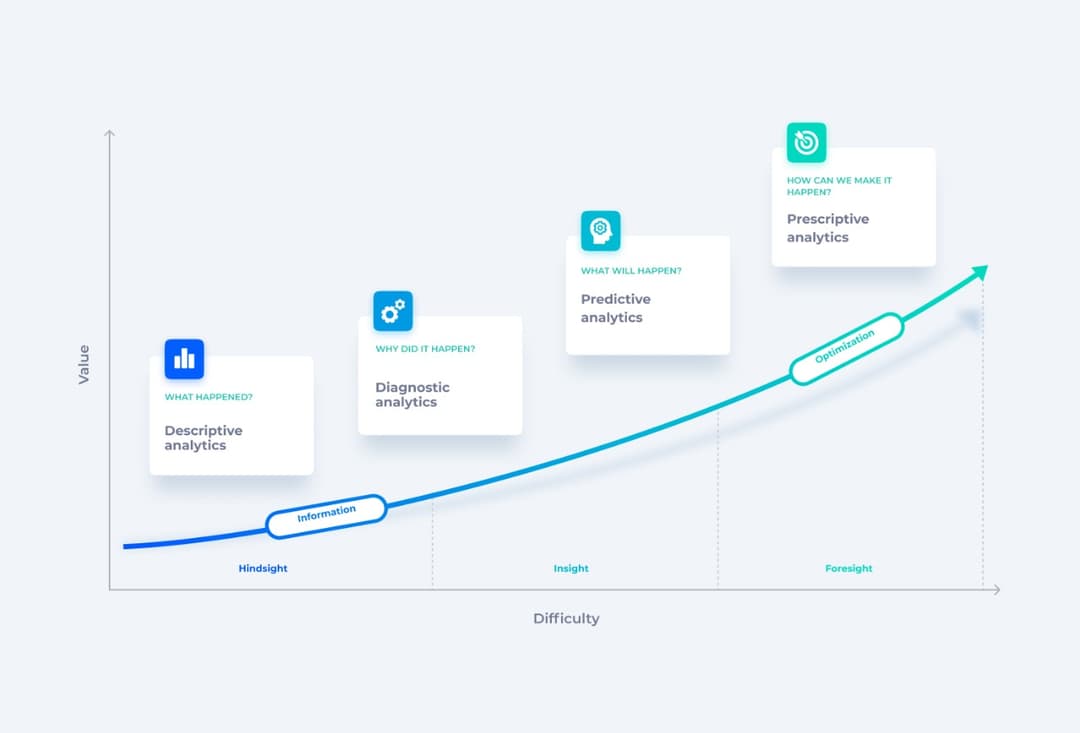
In an era dominated by data, journalism has found a new ally in data science. Integrating traditional reporting skills with advanced analytical tools has given birth to data journalism—a dynamic way of storytelling that leverages data to uncover, explain, and visualize compelling narratives.
This approach is not just a trend; it’s a revolutionary shift reshaping how news is researched, reported, and consumed. Let’s explore how data journalism transforms the media landscape, supported by real-world examples and insights into its potential.
Bridging the Gap Between Numbers and Narratives
At its core, data journalism is about making sense of vast amounts of information to uncover patterns, trends, and anomalies. It bridges the gap between the rigor of data analysis and the art of storytelling, enabling journalists to present nuanced, evidence-based reports that resonate with audiences. This fusion of disciplines allows for:
- • Nuanced Storytelling: Data journalism adds depth and credibility to stories, making them more than anecdotal accounts. By analyzing datasets, journalists can present findings that are objective and verifiable.
- • Accessibility: Through the use of data visualizations, infographics, and interactive tools, complex issues are made accessible to the general public. Readers can engage with the data, exploring it in ways that text alone cannot offer.
- • Pattern Recognition: Data journalism highlights trends that might otherwise go unnoticed, empowering the public to make informed decisions based on concrete evidence.
- • Uncovering Stories: By diving deep into datasets, journalists can reveal stories hidden beneath the surface, from systemic inequalities to environmental impacts.
Case Studies: Data Journalism in Action
1. Hurricane Andrew: Building Codes Under Scrutiny
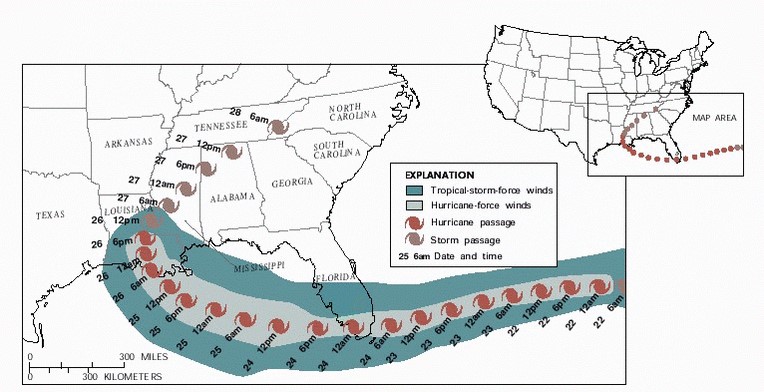
In 1992, Hurricane Andrew wreaked havoc across Florida, leaving widespread destruction in its wake. Journalist Steve Doig used data journalism to analyze damage patterns, merging datasets on wind speeds and destruction levels. His findings revealed that areas with lax building codes suffered the most damage, spotlighting weaknesses in construction practices. This groundbreaking investigation earned Doig a Pulitzer Prize and demonstrated the power of data to drive accountability and policy change.
2. Farmer Suicides in India
The alarming rate of farmer suicides in India is a tragic story that came to light through data-driven investigations. Journalists combined agricultural data, climate statistics, and financial records to expose the link between crop failures, debt burdens, and mental health crises. These stories not only raised awareness but also spurred discussions on policy reforms to support vulnerable farming communities.
The Tools of the Trade
Data journalism requires a unique skill set that blends traditional reporting techniques with data science expertise. Journalists must:
- • Analyze Data: This involves statistical analysis, programming skills (often in Python or R), and familiarity with tools like Excel, Tableau, and Power BI.
- • Visualize Findings: Effective storytelling often hinges on the ability to create compelling visualizations. Tools like D3.js, Flourish, and Canva play a crucial role in making data accessible and engaging.
- • Interpret Complex Information: Beyond numbers, journalists must extract meaningful narratives that resonate with readers.
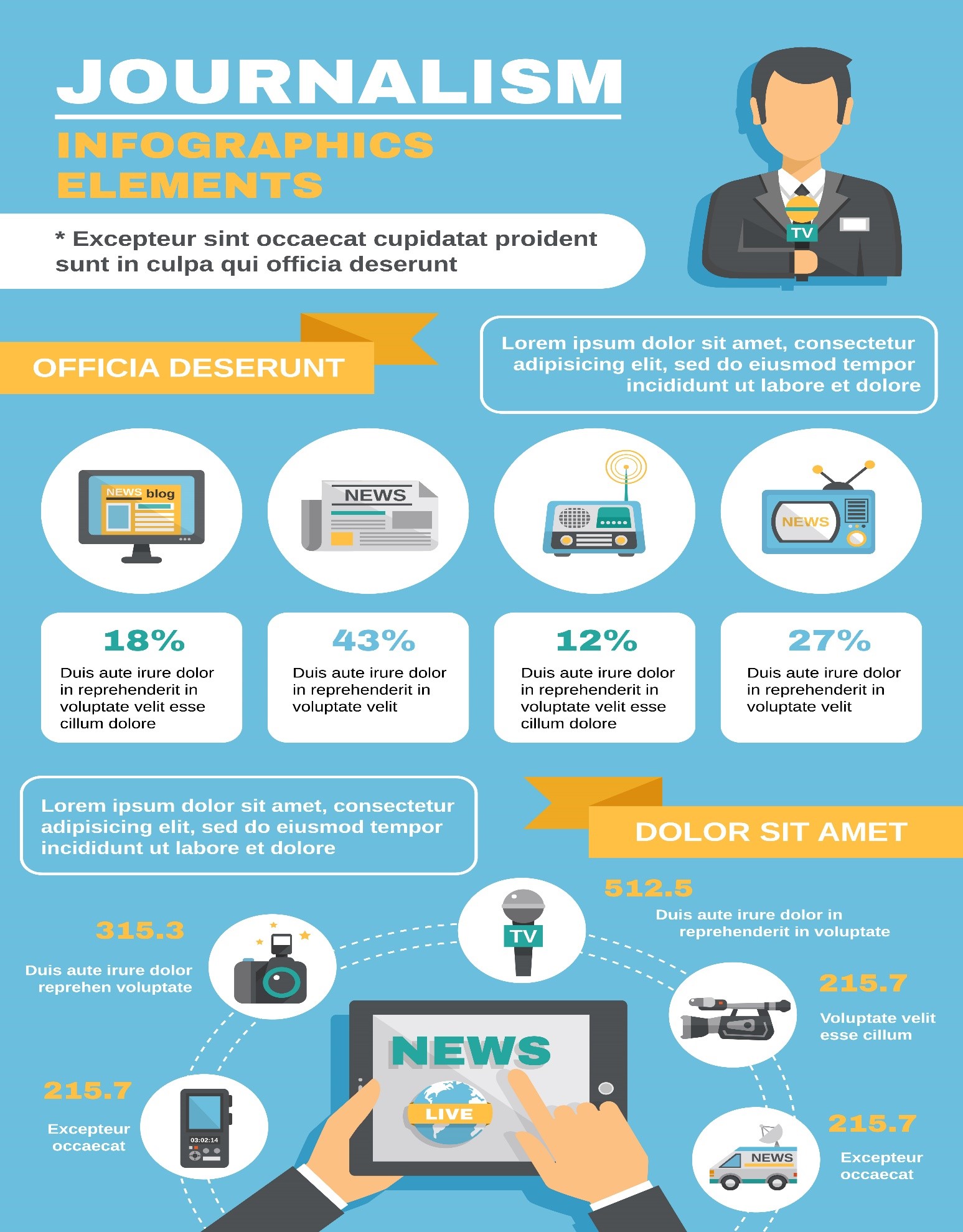
Insightful Data Journalism Infographics

Overcoming Challenges
While the potential of data journalism is immense, it comes with its own set of challenges:
- • Data Accessibility: Journalists often face barriers in obtaining data, whether due to government restrictions, proprietary databases, or poorly maintained records.
- • Skill Gaps: Not all journalists have the technical expertise required for data analysis and visualization, highlighting the need for continuous upskilling.
- • Ethical Considerations: Handling sensitive data responsibly is paramount, ensuring privacy and avoiding misrepresentation.
The Future of News Reporting
As the digital age progresses, data journalism is poised to become an integral part of newsrooms worldwide. Here’s why:
- • Combatting Information Asymmetry: In an age of misinformation, data journalism provides a remedy by offering clarity and context. For instance, during the COVID-19 pandemic, data-driven reporting played a crucial role in informing the public about infection rates, vaccine distribution, and healthcare resource allocation.
- • Adapting to Digital Trends: With audiences increasingly consuming news online, interactive visualizations and multimedia storytelling are becoming essential tools for engagement.
- • Watchdog Function: Data journalism empowers journalists to hold institutions accountable, uncovering discrepancies and challenging official narratives.
A Collaborative Effort
The success of data journalism often hinges on collaboration. Journalists work alongside data scientists, developers, and graphic designers to bring stories to life. This interdisciplinary approach not only enriches the storytelling process but also ensures accuracy and innovation.
Conclusion
Data journalism is more than just a buzzword; it’s a transformative force in modern news reporting. By harnessing the power of data science, journalists can tell richer, more impactful stories that inform, engage, and inspire action. As the lines between numbers and narratives blur, the role of data journalism will only grow, shaping the future of how we understand the world around us.
For anyone aspiring to be at the forefront of this revolution, the message is clear: embrace the tools, develop the skills, and start telling stories that matter.